Agave vinasse is a liquid waste generated during tequila distillation. Its high production volume and complex chemical composition make it one of the main environmental challenges in the tequila sector. Unlike other agro-industrial by-products, agave vinasse requires specialized technical management to prevent negative impacts on soil and water resources.
In tequila-producing regions such as Jalisco, the direct application of vinasse to agricultural land has been a common practice due to its low cost and organic matter content. However, when not properly managed, this practice can lead to soil acidification, salinization, and contamination of water bodies.
Given this scenario, there is a growing need for specialized companies that integrate technical, environmental, and productive criteria to transform agave vinasse from a problematic waste into a valuable resource within a circular economy model.
The Magnitude of the Problem: Production and Generation of Vinasse
Jalisco accounts for the largest tequila production nationwide, with more than 598 million liters produced annually. This activity, carried out by more than 150 tequila producers, generates millions of cubic meters of vinasse each year.
For every liter of tequila produced, between 10 and 12 liters of agave vinasse are generated. This represents a considerable volume that must be treated and responsibly managed. This reality makes the development of sustainable solutions essential for the industry to meet environmental standards without compromising productivity.
Agave Bagasse and Vinasse: Waste That Can Be Transformed into Resources
During tequila production, two main by-products are generated: agave bagasse, which is solid, and agave vinasse, which is liquid. Both have high recovery potential when integrated into proper treatment and valorization processes.
Bagasse has proven to be an ideal input for producing organic compost, while vinasse—due to its composition—requires controlled processes for stabilization and agricultural use. The strategic combination of these by-products makes it possible to close the agave production cycle and significantly reduce the industry’s environmental impact.
At SUE Tequilana, this comprehensive approach is a fundamental part of operations: transforming agave by-products into valuable soil inputs, contributing to agricultural regeneration and efficient resource use.
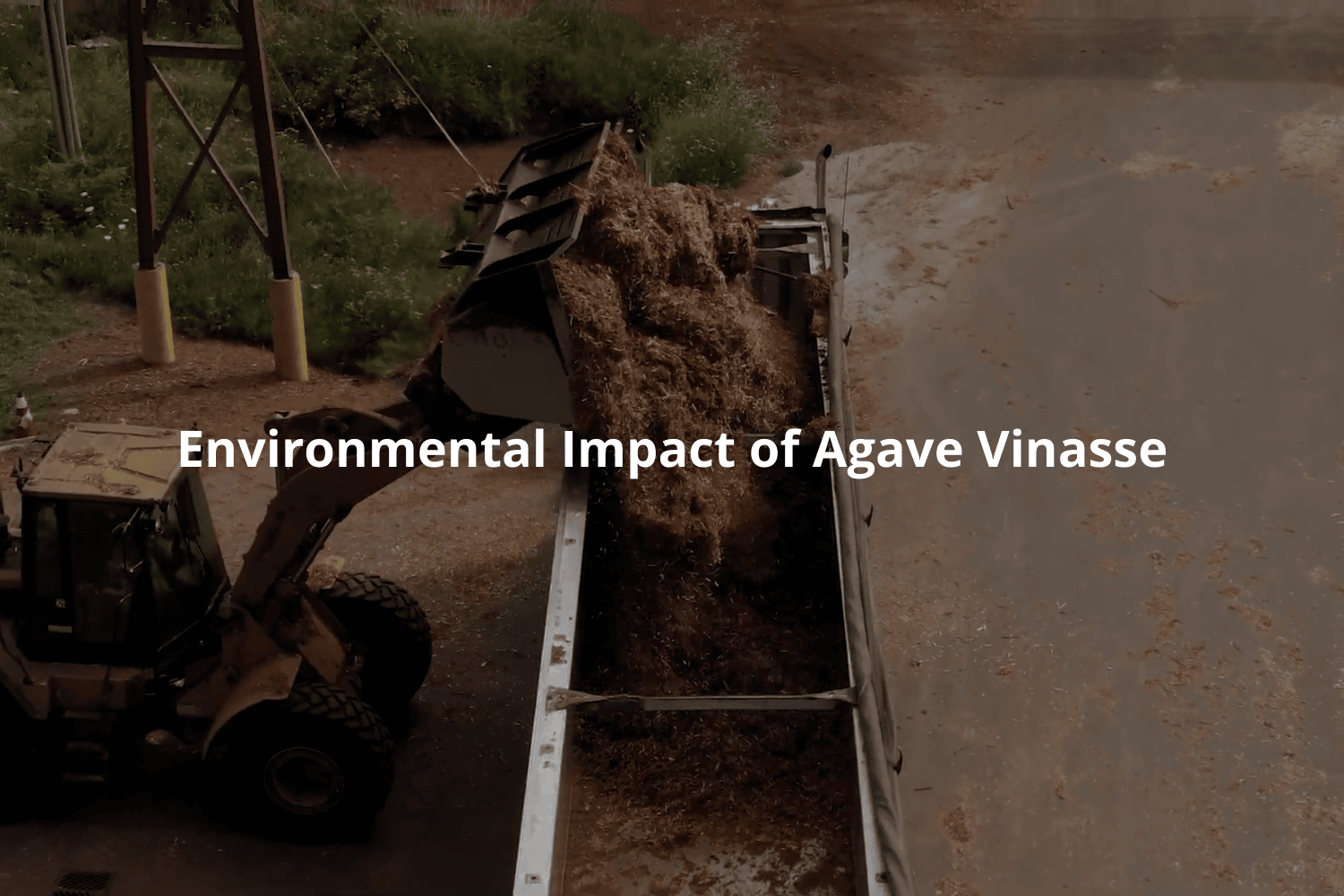
Environmental Impact of Agave Vinasse
Agave vinasse contains high levels of organic matter, nutrients such as nitrogen, phosphorus, and potassium, as well as an acidic pH and a high solids load. These characteristics can be beneficial or harmful depending on how it is managed.
Inadequate application may cause:
- Soil acidification and salinization
- Alterations in soil structure and porosity
- Groundwater contamination
- Eutrophication of surface water bodies
For this reason, the agricultural use of vinasse must follow well-defined technical criteria, considering dosage, application frequency, and specific soil conditions.
Agave Vinasse and Soil Health
Soil is a living system where physical, chemical, and biological factors interact. Microbial communities play a key role in organic matter decomposition and nutrient availability for plants.
When agave vinasse is managed in a controlled manner, it can stimulate beneficial microbial activity, promoting processes such as nutrient mineralization and root development. However, excessive use may disrupt the soil’s biological balance and compromise long-term fertility.
For this reason, SUE Tequilana prioritizes responsible vinasse management aligned with practices that protect soil health and ensure future productivity.
Regulatory Framework and the Need for Best Practices
A State Environmental Regulation is currently under development in Jalisco to regulate the management, transportation, and application of agave vinasse. This regulation represents an important step toward professionalizing tequila waste management and adopting more sustainable agricultural practices.
Compliance with these guidelines requires not only infrastructure but also technical knowledge and experience in managing agro-industrial by-products—an area where SUE Tequilana provides specialized solutions.
Circular Economy Model Applied by SUE Tequilana
Agave vinasse should no longer be seen solely as waste but as an opportunity to improve the sustainability of the tequila industry. Through proper management, nutrients can be returned to the soil, pollutant loads reduced, and dependence on chemical fertilizers minimized.
At SUE Tequilana, we promote a circular economy model focused on the responsible use of agave bagasse and vinasse, transforming them into agricultural inputs that contribute to soil regeneration and strengthen the agro-industrial sector.
Our commitment is clear: to turn the environmental challenges of the tequila industry into sustainable solutions that benefit agriculture, communities, and the environment 🌱
Explore other articles:
- The Role of Organic Fertilizers in Soil Regeneration and the Circular Economy of Agave
- How to Transform Organic Waste from the Tequila Industry into Sustainable Environmental Resources
Frequently Asked Questions About Agave Vinasse
What Is Vinasse and What Is It Used For?
Vinasse is a liquid waste generated during fermentation and distillation processes, such as in the production of tequila, wine, or ethanol. In the case of agave vinasse, this by-product contains organic matter and nutrients such as nitrogen, phosphorus, and potassium, which can be used in a controlled manner to improve certain soil properties, recycle nutrients, and reduce the use of chemical fertilizers. However, its application requires proper technical management to avoid environmental impacts.
What Is Vinasse?
Vinasse is a liquid by-product resulting from the distillation of fermented musts. It is characterized by its high organic matter content, acidic pH, and the presence of salts and nutrients. Depending on its origin—such as sugarcane, agave, or wine—its composition may vary, directly influencing its management and potential use.
What Does the Word “Vinasse” Mean?
The term vinasse originates from the wine industry and refers to the liquid residue left after producing alcoholic beverages through fermentation and distillation. Traditionally associated with wine waste, the term is now applied to various industrial by-products, including agave vinasse generated in the tequila industry.
What Is Wine Vinasse?
Wine vinasse is the liquid residue obtained after the fermentation and distillation of wine or wine-related by-products. Like other types of vinasse, it contains organic compounds, mineral salts, and has an acidic pH. In some cases, it can be utilized in agricultural or industrial processes, provided its application is carefully controlled to prevent soil or environmental damage.