
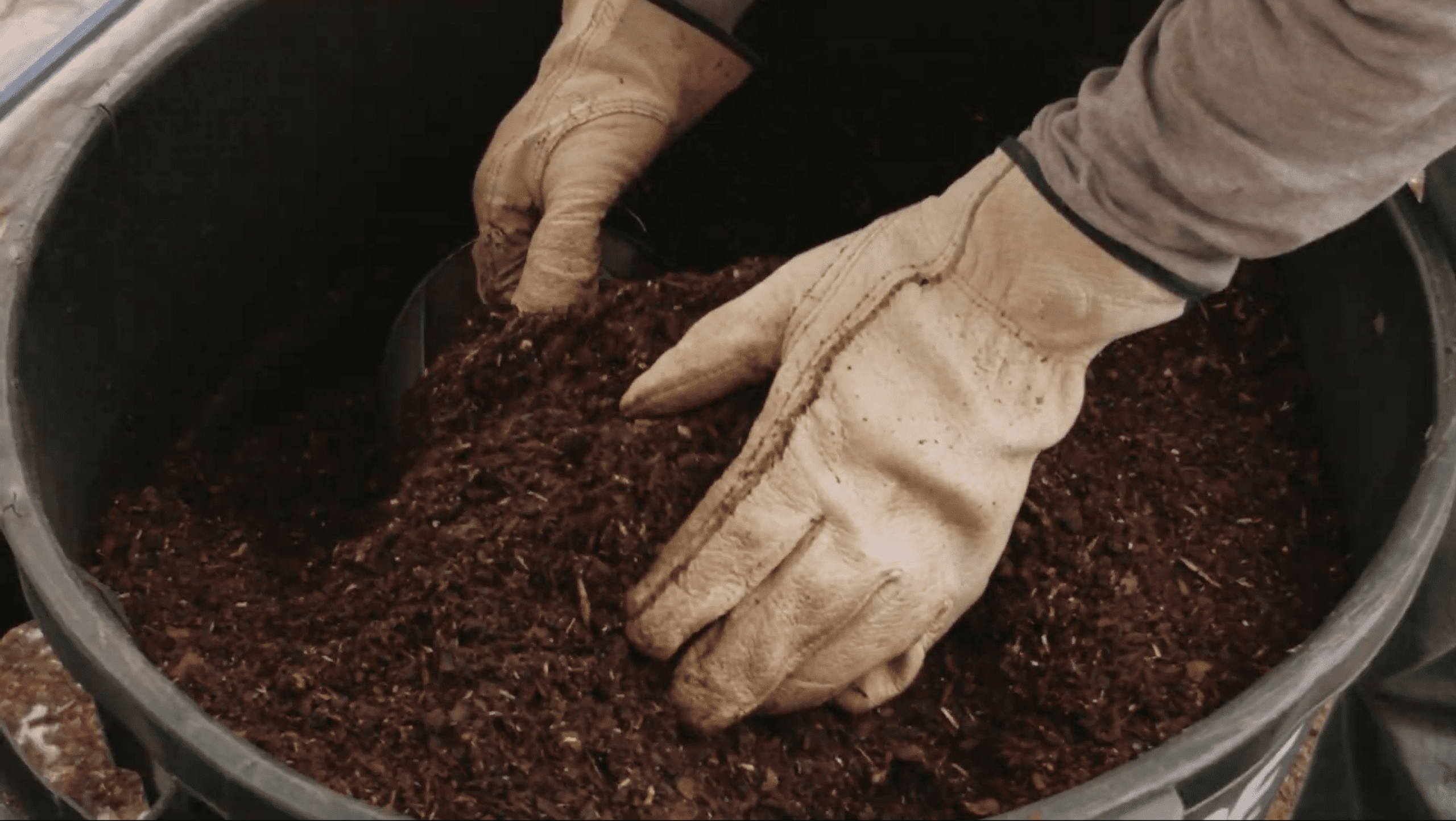
About the Compost Process​

At SUE Tequilana, we repurpose agave waste, converting it through a natural and carefully controlled process into nutritious compost. This cycle utilizes byproducts, maintains optimal fermentation conditions, and ensures a high-quality end result, ready to enrich the soil and promote more sustainable agriculture.

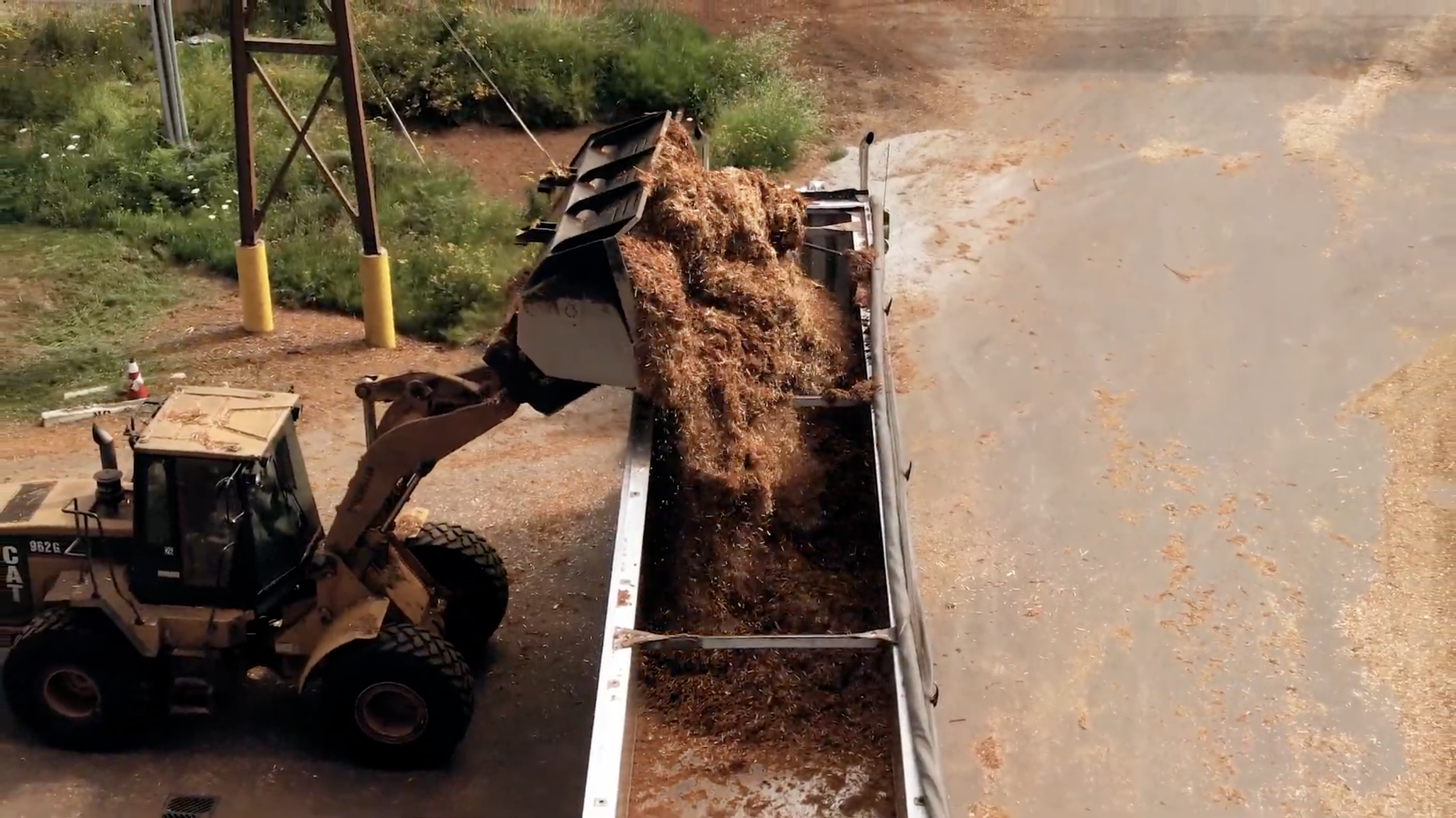
Collection of materials

  • Bagasse in processing platforms.
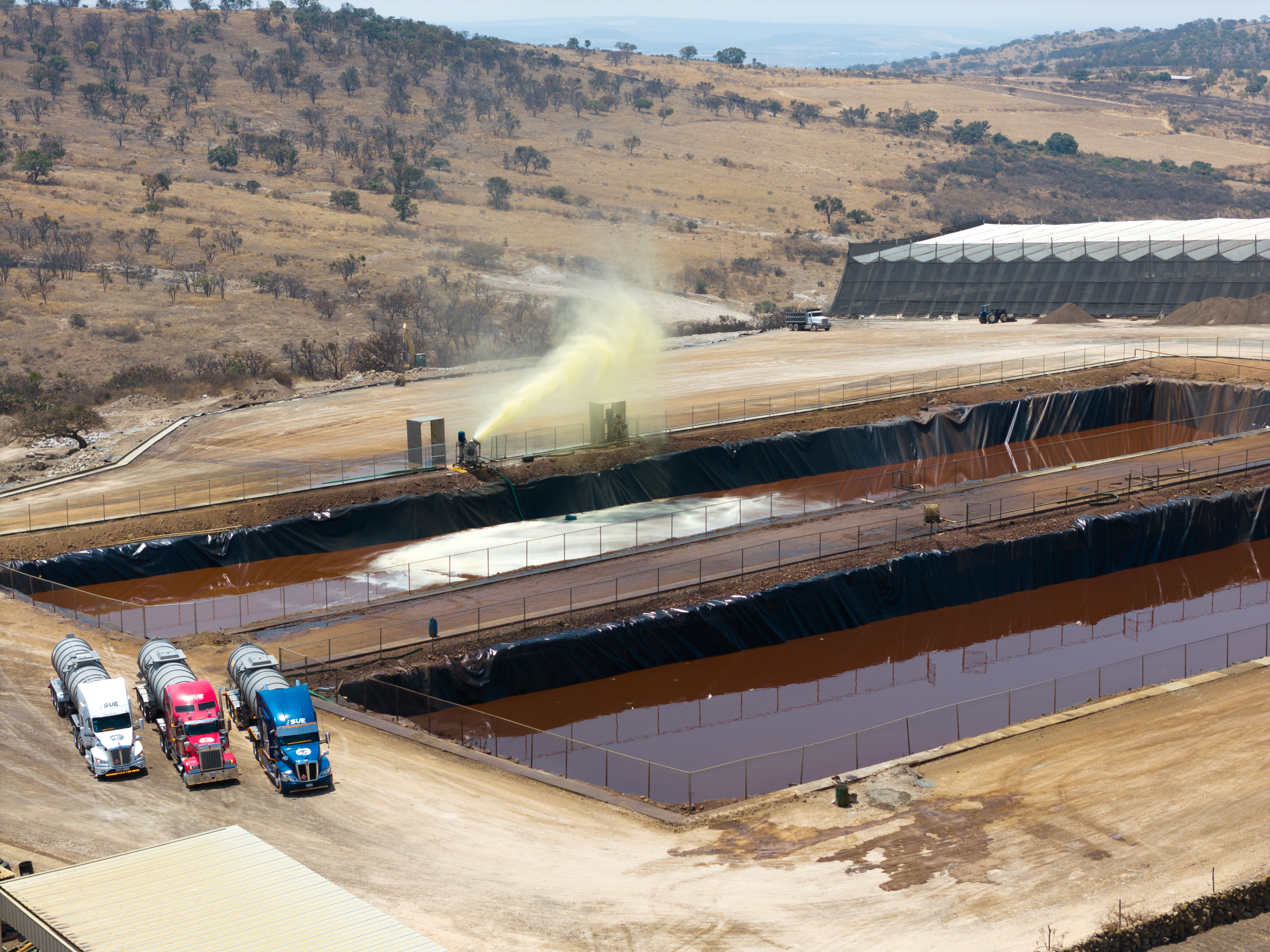
  • Vinasse in catchment lagoons.

Preparation

The bagasse is inspected to ensure it is not contaminated with other non-organic material. The vinasse is stored and aerated for more nutritious irrigation.

The Mix

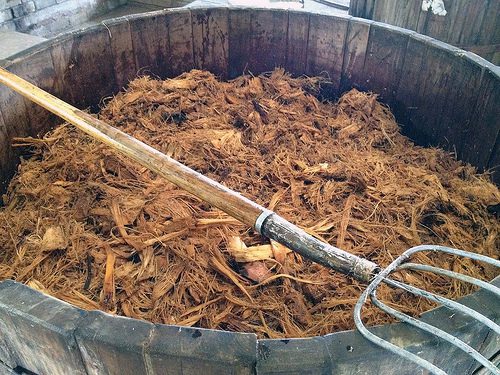
  • Bagasse and vinasse are mixed in the right proportion to ensure a good composting process. 

  • The vinasse can add moisture to the bagasse, which helps activate decomposition.

Get a quote, We are here to help!

Formation of compost piles

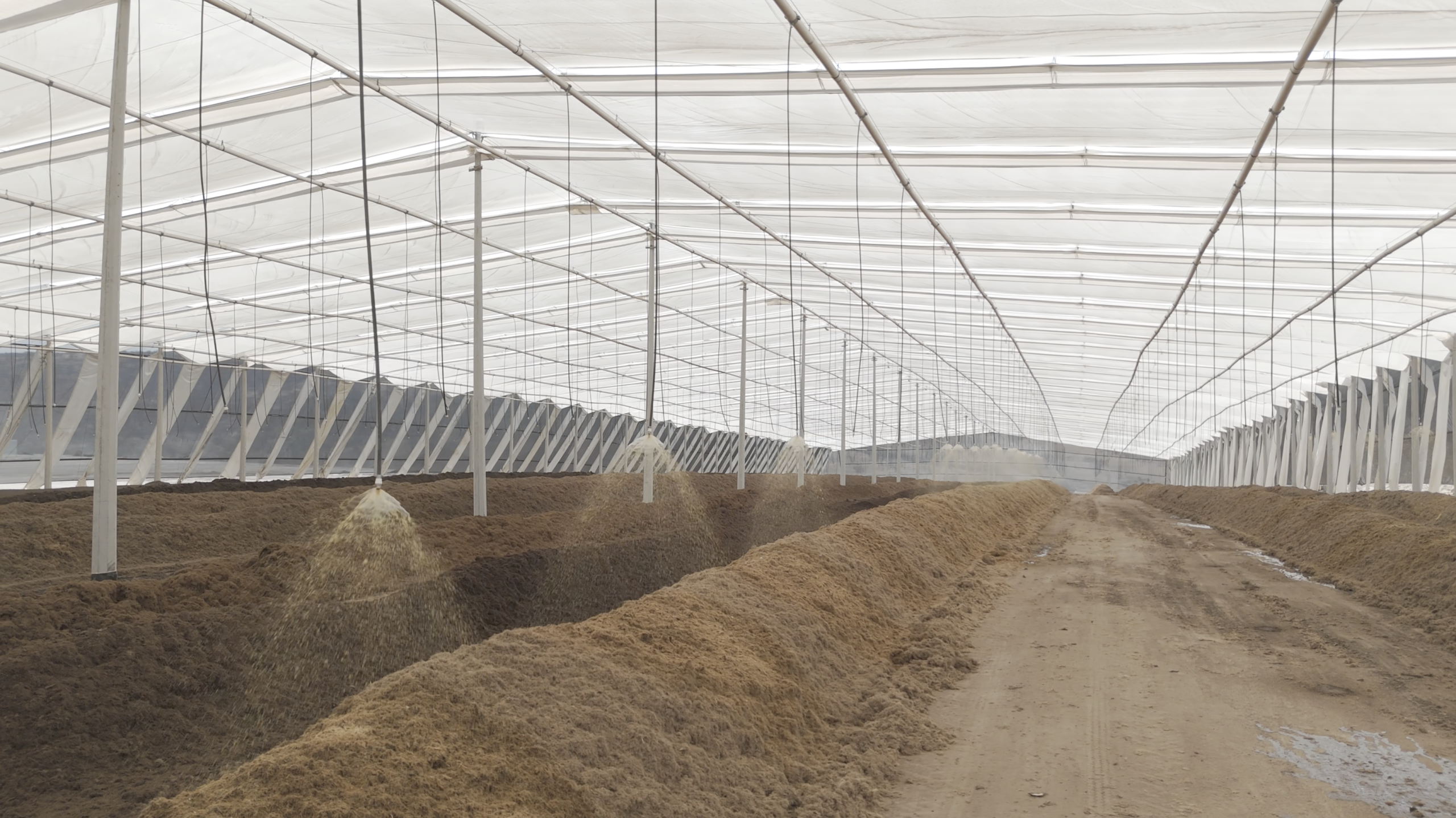
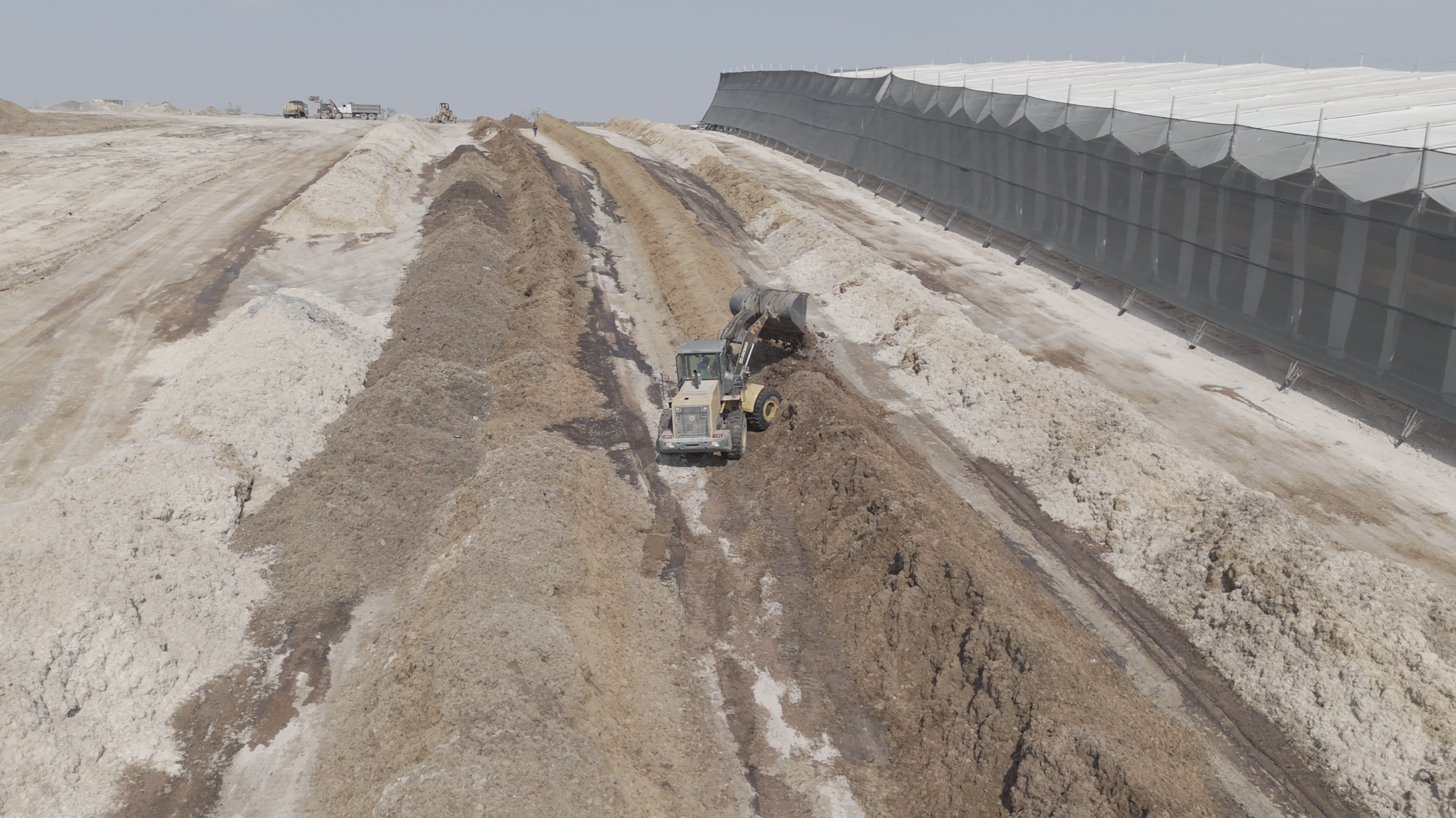
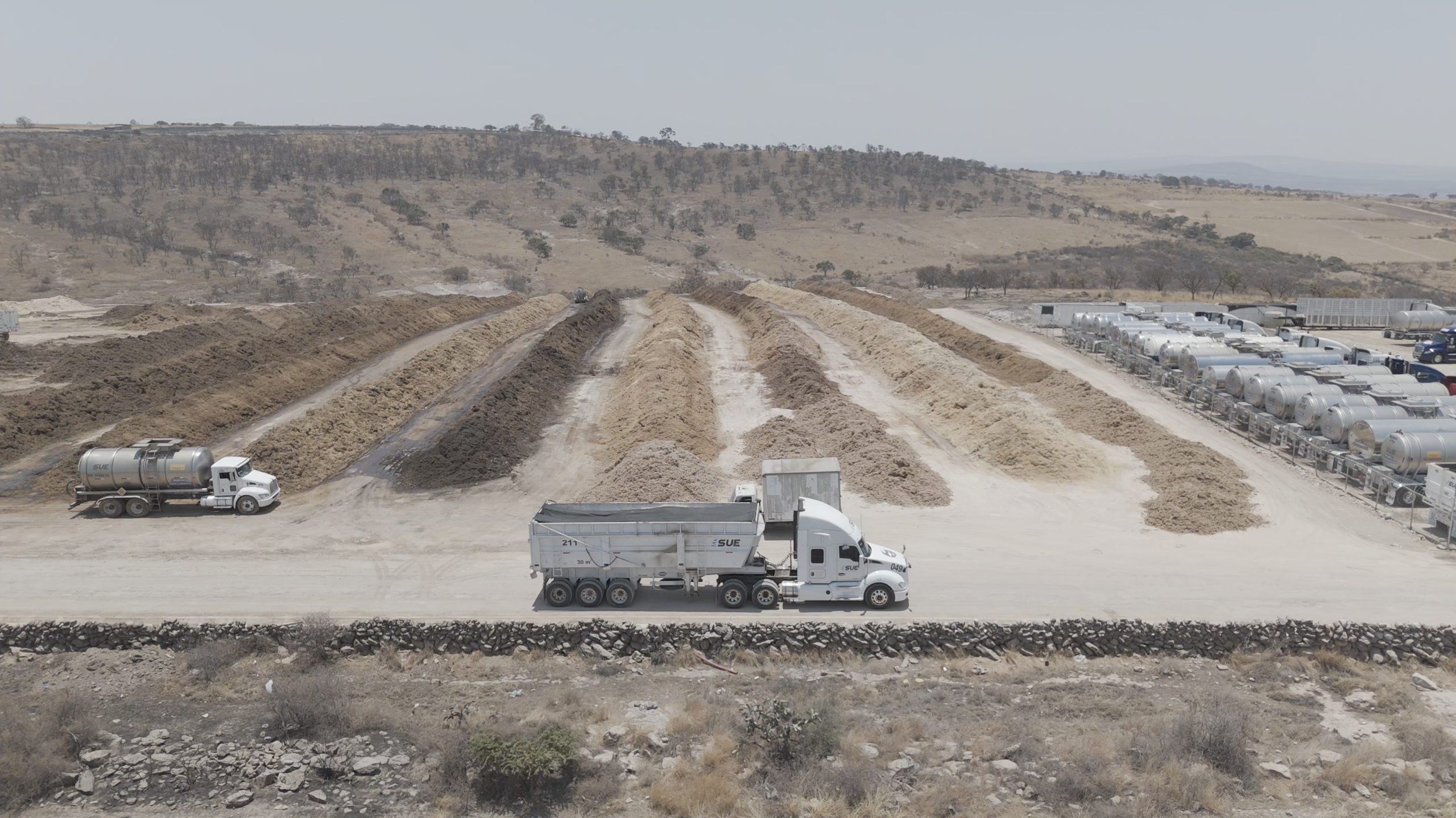
The mixture is placed in mounds, ensuring that there is sufficient aeration to promote microbial activity.

Temperature and humidity control

  • Composting is an exothermal process, so the temperature, which can reach between 50-70°C, must be monitored.

  • Humidity must be controlled to prevent the material from becoming too dry or too wet, which would affect the activity of microorganisms.

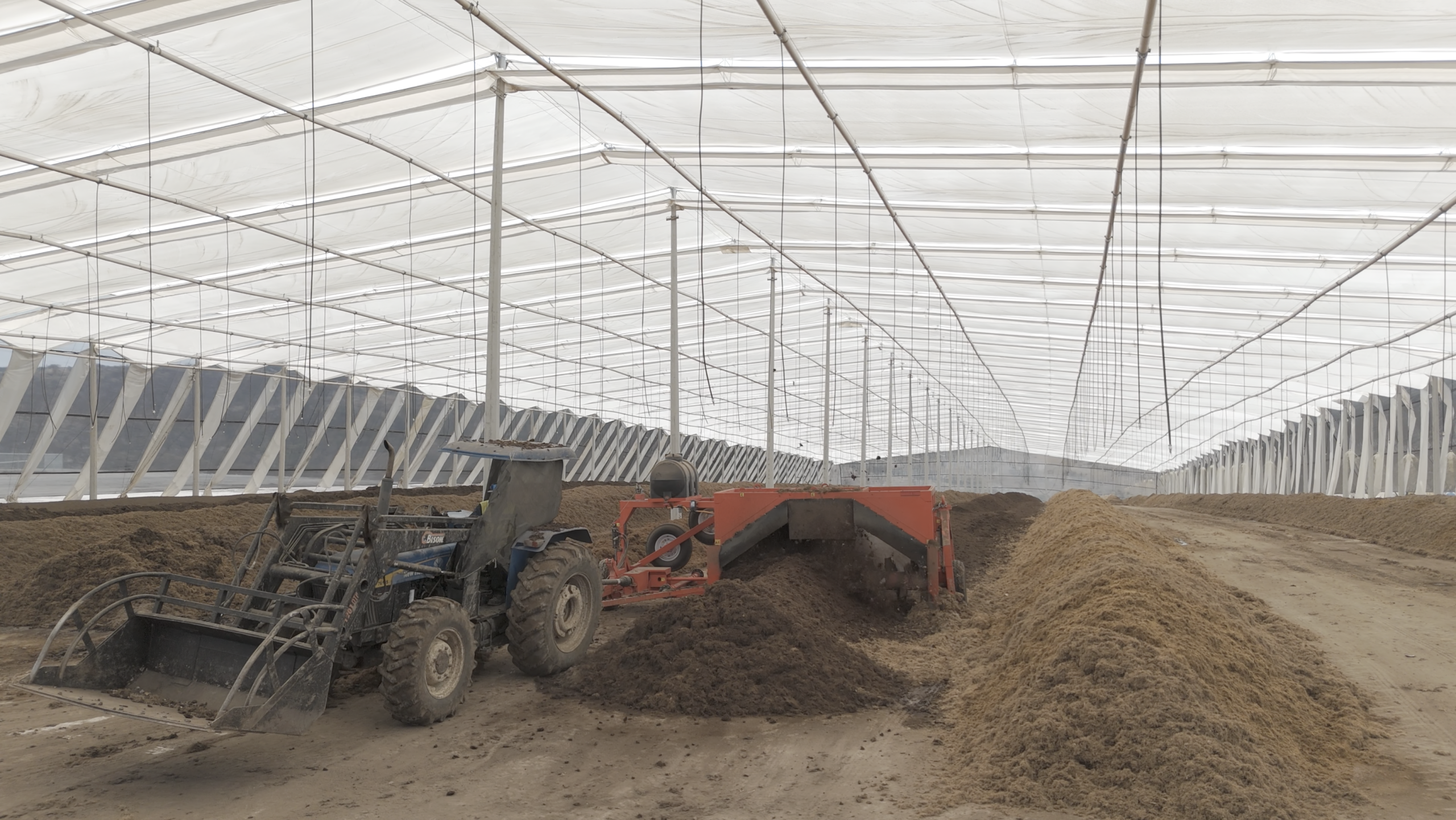
Aeration and turning of the pile

  • Compost piles should be turned periodically to maintain aeration and ensure uniform decomposition.

  • This also allows the temperature to be reduced if necessary.

SUE Tequilana Premium Compost: Quality That Nourishes Soil

We have state-of-the-art infrastructure that includes collection ponds, bagasse processing platforms, an advanced evaporation and irrigation system, and high-tech multiprocessors. In addition, we continuously monitor pH, temperature, and moisture throughout the composting process to ensure a high-quality final product.

151,545 m³
Process capacity
54,556 tons
Of organic compost per cycle
6 Platforms
Bagasse processing

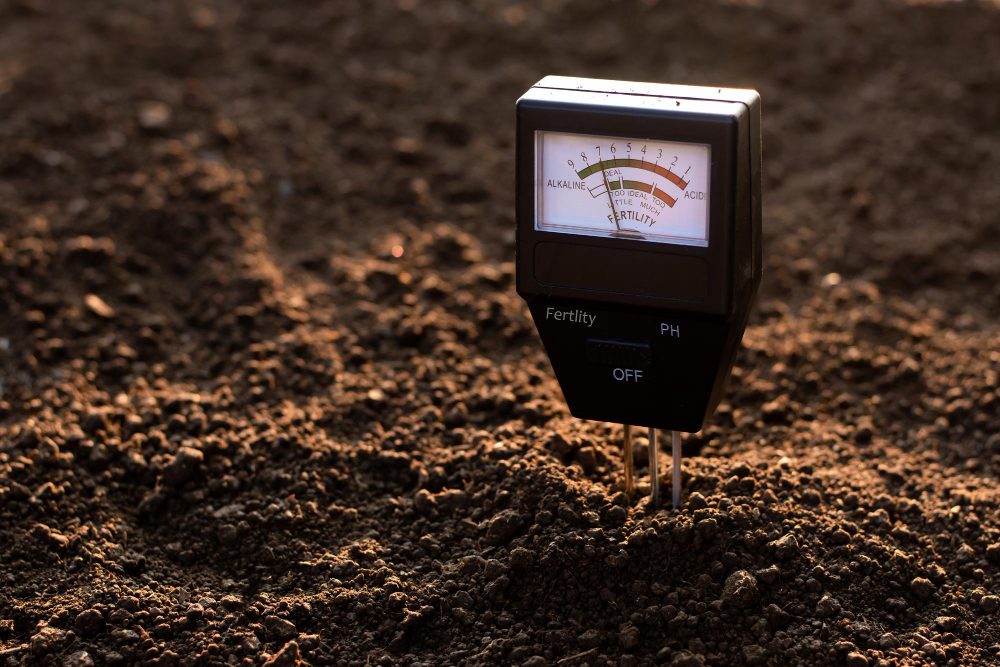
pH and nutrient monitoring:

  • The pH is monitored and should be within a range of 6 to 8 to optimize microbial activity.

  • The concentration of essential nutrients can also be analyzed.

Composting time

  • The process can take between 2 and 4 months, depending on the conditions and the frequency of turning.

Maturation

  • After primary decomposition, mature compost must rest and cure to complete the process, developing fertilizer characteristics.

The final product is nutrient-rich compost, ready for use in agriculture.