The tequila industry is one of Mexico’s most iconic industries and a key contributor to the national economy, especially in agave-producing states such as Jalisco.
However, behind tequila production lies a major environmental challenge: the proper management of waste generated by the tequila industry.
During the cooking, milling, fermentation, and distillation processes of agave, large quantities of organic byproducts such as bagasse and vinasse are generated.
When these residues are not properly treated, they can cause significant environmental impacts, including soil contamination, water pollution, and emissions resulting from organic decomposition.
Today, sustainability has become a priority for the agro-industrial sector.
As a result, more and more companies are seeking responsible alternatives that allow waste from the tequila industry to be transformed into valuable resources for agriculture and environmental stewardship.
SUE Tequilana promotes processes focused on the sustainable utilization of organic waste derived from the agave industry, encouraging environmental solutions based on composting and the circular economy.
What Waste Does the Tequila Industry Generate?
Tequila production generates different types of organic and agro-industrial waste. Among the most important are:
Agave Bagasse
Bagasse is the residual fiber that remains after extracting the sugars from agave used in tequila production. This byproduct represents a large portion of the solid waste generated by the industry.
Thanks to its composition rich in organic matter, bagasse can be reused in composting processes and agricultural soil regeneration.
Agave Vinasse
Vinasse is a liquid byproduct derived from the distillation process. It is characterized by a high organic load, and improper handling can generate negative environmental impacts.
Today, the treatment and utilization of vinasse represent one of the main environmental challenges facing the tequila industry.
Agro-Industrial Organic Waste
In addition to bagasse and vinasse, there are other residues associated with agave production processes, including plant remains, organic sludge, and biodegradable materials that require proper management to minimize environmental impacts.
The Environmental Challenge of Waste from the Tequila Industry
The growth of tequila production has also increased the generation of agro-industrial waste. Without sustainable management, these byproducts can lead to:
- Soil contamination
- Water pollution
- Generation of unpleasant odors
- Greenhouse gas emissions
- Accumulation of organic waste
- Imbalances in agricultural ecosystems
For this reason, the responsible utilization of waste from the tequila industry has become a key requirement for advancing toward more sustainable production models aligned with the principles of the circular economy.
Sustainable Transformation of Waste from the Tequila Industry
The proper management of waste from the tequila industry has become a priority for advancing toward agro-industrial processes that are more sustainable and environmentally responsible.
Byproducts such as bagasse and vinasse contain high levels of organic matter, making it possible to utilize them through specialized treatment and composting processes instead of discarding or accumulating them without control.
Through these practices, organic waste can be reintegrated into the production cycle as compost and soil amendments, helping restore nutrients, strengthen soil structure, and promote more sustainable agriculture.
In addition to reducing the environmental impact associated with tequila production, this type of utilization helps decrease the generation of agro-industrial waste and promotes solutions focused on soil regeneration and the responsible use of natural resources.
At SUE Tequilana, this approach is part of a commitment to the sustainable utilization of organic waste derived from agave, promoting environmental alternatives that benefit both the agricultural sector and the natural environment.
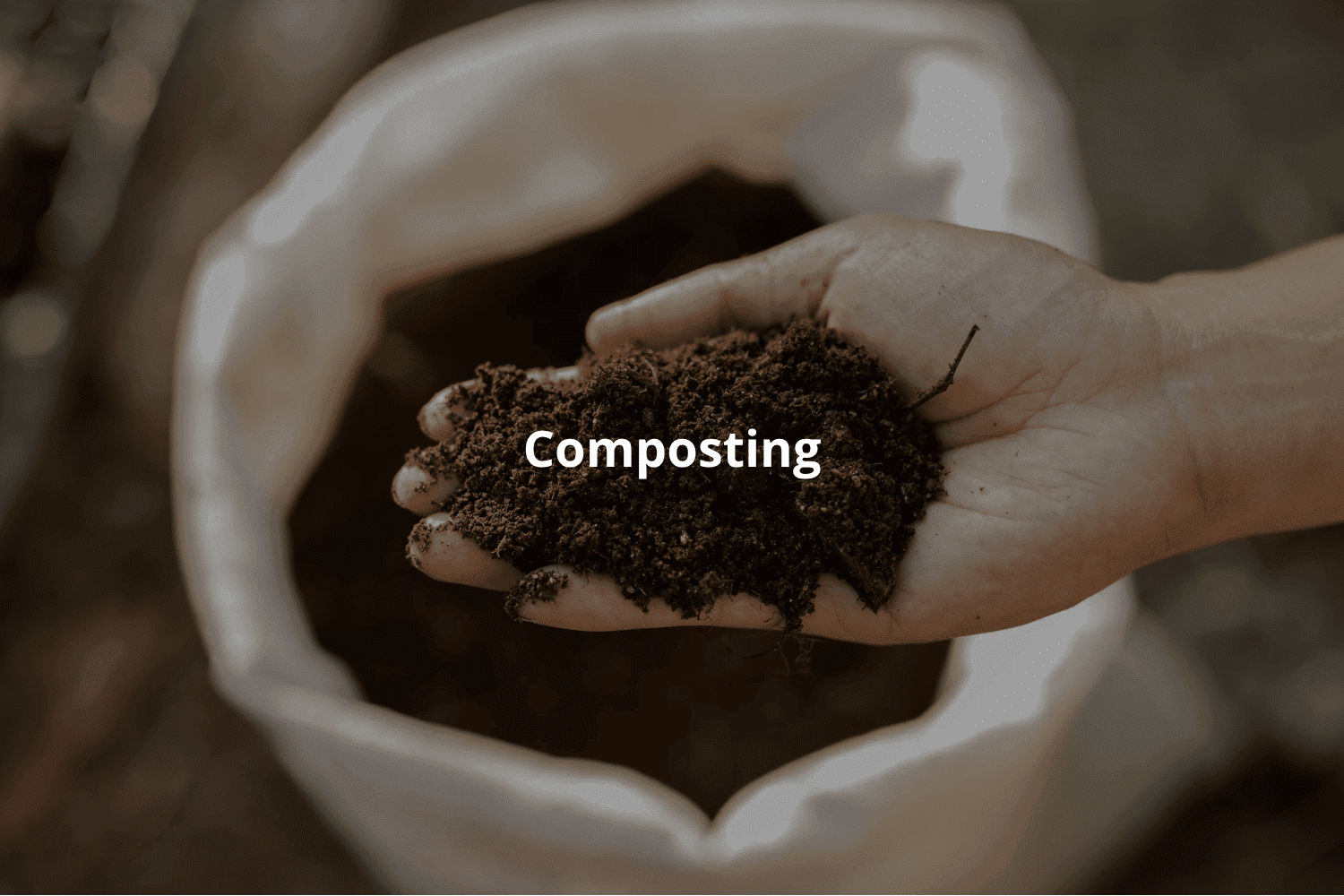
Composting: A Sustainable Solution for Waste from the Tequila Industry
Composting is one of the most efficient processes for utilizing organic agro-industrial waste.
Through controlled biological processes, materials such as bagasse and other plant-based residues are transformed into organic compost capable of providing significant benefits to agricultural soils.
Benefits of Composting Agro-Industrial Waste
Improves Soil Structure: Organic matter helps increase aeration and reduce soil compaction.
Enhances Moisture Retention: Soils enriched with compost retain water more effectively, which is essential for agricultural regions facing water stress.
Promotes Beneficial Microorganisms: Compost supports the natural microbiological activity of soil, helping improve nutrient availability for crops.
Reduces Industrial Waste: Composting significantly decreases the accumulation of waste generated by the tequila industry.
Supports More Sustainable Agriculture: The organic utilization of waste contributes to reducing dependence on chemical fertilizers and strengthens regenerative agricultural practices.
SUE Tequilana’s Commitment to Sustainability
At SUE Tequilana, the responsible management of organic waste is a central part of its environmental vision.
The company works on the sustainable utilization of waste from the tequila industry through processes focused on transforming bagasse and vinasse into useful solutions for agriculture.
Through specialized infrastructure and controlled composting processes, SUE Tequilana promotes circular economy models in which agro-industrial waste can be returned to the field in the form of organic compost and soil amendments.
This approach not only helps reduce the environmental impact of the industry but also strengthens soil health and promotes a more balanced and sustainable form of agriculture.
In addition, the company maintains a commitment to:
- The responsible use of resources
- Waste reduction
- Soil regeneration
- Agro-industrial sustainability in Mexico
The Sustainable Future of the Tequila Industry
Sustainability will be one of the most important factors shaping the future of the tequila industry.
More and more companies, producers, and organizations understand that industrial growth must be accompanied by environmental solutions that enable the proper management of waste generated during production.
The utilization of waste from the tequila industry represents an opportunity to:
- Promote the circular economy
- Reduce environmental impacts
- Regenerate agricultural soils
- Strengthen sustainable practices within the agro-industrial sector
The responsible transformation of organic waste demonstrates that it is possible to turn an environmental challenge into an opportunity to create environmental, agricultural, and social value.
Waste generated by the tequila industry represents one of the main environmental challenges facing Mexico’s agro-industrial sector.
However, through sustainable processes such as composting and the organic utilization of waste, these byproducts can be transformed into valuable solutions for agriculture and the environment.
Materials such as bagasse and vinasse have enormous potential to drive circular economy models, regenerate soils, and strengthen more sustainable agricultural practices.
At SUE Tequilana, this commitment is reflected in actions focused on transforming agro-industrial waste into responsible environmental solutions, contributing to the development of a more sustainable tequila industry aligned with the needs of the future.
We recommend you: